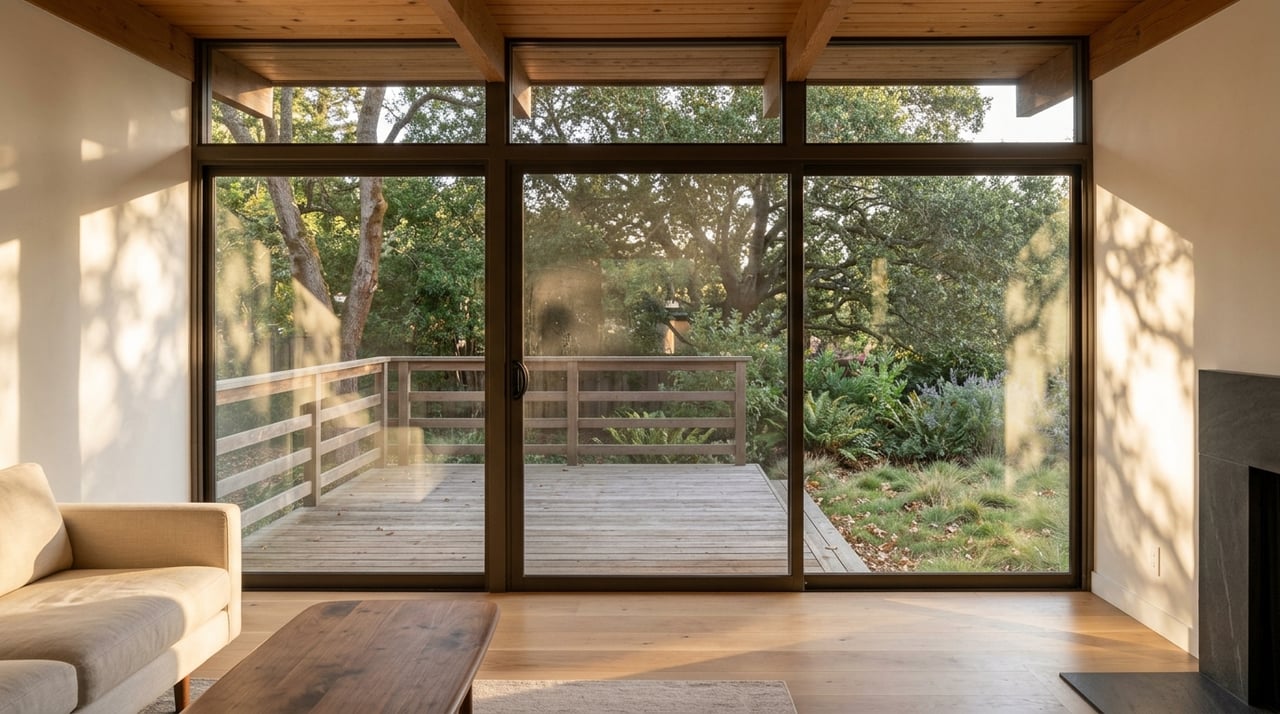
If you are searching for a home in San Rafael, one question matters more than almost anything else: how do you want your days to feel? With more than 30 neighborhoods and a wide mix of housing, San Rafael is not a place where one area fits everyone. The right choice usually comes down to your routine, your commute, your comfort with hills and parking, and the kind of surroundings you want to come home to. This guide will help you sort through those tradeoffs and narrow your search with more confidence. Let’s dive in.
Start With Your Daily Routine
San Rafael is the oldest city in Marin County, and today it blends historic areas, transit-connected blocks, hillside streets, and more suburban-feeling pockets. The city also reports that detached single-family homes are still the predominant housing type, with 11,280 detached units out of 23,906 total housing units citywide. That gives many buyers real variety, but it also means your neighborhood choice can shape your daily life in a big way.
Before you focus on a specific street or home style, think about the basics of your week. Ask yourself where you need to go most often, how often you want to drive, and whether you value quick errands, parks, culture, privacy, or easier transit access.
A helpful way to begin is to rank these priorities:
- Commute convenience
- Walkability
- Parking ease
- Access to parks and recreation
- Historic or architectural character
- Privacy and views
- Proximity to shopping and services
- Comfort with hills, narrow roads, or winding streets
Know What Makes San Rafael Different
In San Rafael, neighborhood choice is often less about finding the “best” area and more about matching the right pocket to your lifestyle. The city’s planning and preservation work shows that different parts of town function very differently from one another.
Some areas feel more urban and connected. Others offer a tucked-away residential setting with steeper streets and more privacy. In the north and east parts of the city, you will also find areas that are more park- and shopping-oriented, with a more spread-out daily rhythm.
Choose Downtown for Transit and Culture
If you want the most connected part of San Rafael, downtown deserves a close look. The city describes downtown as the commercial, employment, and transit center for both San Rafael and Marin County, and it is planned for continued growth with more than 2,000 new housing units and over 700,000 square feet of new nonresidential space.
This part of town also carries a strong cultural identity. The city identifies the French Quarter and Victorian Village historic districts downtown, and the Downtown San Rafael Arts District runs along Fourth Street with public art, Art Works Downtown, the Christopher B. Smith Rafael Film Center, and the nearby Falkirk Cultural Center.
For commuting, downtown has the strongest car-light options in the city. The San Rafael Transit Center serves Golden Gate Transit, Marin Transit, Sonoma County Transit, SMART, airporter services, and Greyhound. The SMART San Rafael station is also just one block from the Bettini Transit Center.
Downtown May Fit You If
- You want strong transit access
- You enjoy a more active street environment
- You value arts, culture, and historic context
- You want easier access to daily services without relying on your car for every trip
What to Watch in Downtown
Even in a highly convenient area, the details matter. Pay attention to noise, parking, block-by-block feel, and how close you want to be to the busiest streets and activity centers.
Consider Gerstle Park for Historic Character
Just south of downtown, Gerstle Park offers a different feel. It has a strong neighborhood identity and a historic residential setting, while still keeping you close to the city core.
The park itself includes picnic tables, barbecues, group picnic areas, basketball and tennis courts, and a multi-age playground. The neighborhood is also known for PorchFest, an annual event held on porches throughout the area, which speaks to its distinct local character.
The city history tied to Gerstle Park also notes that a neighborhood plan was used to help preserve character and address parking and overdevelopment concerns. For buyers, that is a reminder that charm and convenience can come with practical questions about street parking and block layout.
Look at the Canal for Connection and Change
The Canal is its own distinct part of central Marin, not just an extension of downtown. The city says it contains some of the most densely populated residential areas in Marin County, and its main link to downtown runs along Grand Avenue and Francisco Boulevard East.
Those connections matter because the canal, Highway 101, and Interstate 580 all shape how people move through the area. The city has responded with lighting, crosswalk, and active transportation projects, and the 2025 acquisition of 620 Canal Street is intended to support a future waterfront park and a possible pedestrian-bicycle link.
If you are interested in an area tied to infrastructure improvements and evolving public space, the Canal stands out. It can be especially worth exploring if transit and central location matter to you.
Explore Hillside Areas for Privacy and Views
If your ideal home feels more tucked away, San Rafael’s hillside neighborhoods may be the right direction. Dominican/Black Canyon, Lincoln/San Rafael Hill, and Montecito are separate residential pockets identified by the city, and they tend to attract buyers who value privacy, elevation, and a quieter setting.
These neighborhoods often offer a different kind of appeal than flatter parts of town. Instead of leading with walkability or transit, they tend to lead with residential feel, views, and separation from busier corridors.
Practical Questions Matter More on the Hills
Hillside living in San Rafael comes with real daily tradeoffs. The city’s Safe Parking and Parking Box Program was created for narrow and winding streets and was first installed on San Rafael/Lincoln Hill before expanding to areas including Dominican, Black Canyon, Montecito, Gerstle Park, and West End.
That program exists to improve emergency-vehicle access, blind-turn visibility, and evacuation routes. For you as a buyer, that is an important signal that street geometry, parking patterns, and block access deserve close attention.
When touring hillside homes, look beyond the house itself and ask:
- How steep is the drive or walk to the home?
- Where do guests park?
- Can two cars pass each other easily on the street?
- How does the block function day to day?
- What does access feel like at night or in wet weather?
For many buyers, these questions are just as important as square footage or finishes.
Focus on Terra Linda for Everyday Convenience
If you want a neighborhood that feels practical and easy to live in, Terra Linda is a strong place to start. The area reads as one of San Rafael’s more everyday-convenience-oriented neighborhoods, with community amenities and nearby retail supporting a steady routine.
The Terra Linda Community Center and Pool offer classes, a seasonal pool, a playground, a basketball court, and picnic space. Terra Linda Park sits adjacent to the community center and pool, and Santa Margarita Valley Park is also part of the neighborhood’s park network.
For buyers who want parks, local services, and a less urban daily rhythm than downtown, Terra Linda often makes sense early in the search.
Watch Northgate for Reinvestment
North San Rafael is changing, especially around Northgate. The city’s North San Rafael Priority Development Area covers the area around Northgate Mall, Northgate III, and the Four Points by Sheraton, extending to Las Gallinas Avenue and Manuel T. Freitas Parkway.
The approved Northgate Town Square project would transform the mall into an open-air main-street-style district with mixed-use retail and up to 1,422 residences. That means this pocket may feel increasingly reinvented over time, with a blend of suburban-commercial convenience and new mixed-use development.
If you want to buy in an area connected to major city planning and reinvestment, Northgate is one of the clearest examples in San Rafael.
Consider Peacock Gap for Recreation
Peacock Gap is another neighborhood worth considering if recreation shapes your lifestyle. The city describes Peacock Gap Park as offering a playground, two tennis courts, a turf field, a par course, hiking trails, and ADA access.
Jean and John Starkweather Shoreline Park adds a shoreline pathway along the bay, which gives this part of San Rafael a distinct outdoor advantage. If you picture weekends spent outside more than evenings spent in a busy downtown, Peacock Gap may feel like a natural fit.
Be Honest About Car Use
One of the smartest ways to choose a San Rafael neighborhood is to be honest about how much you want to drive. Downtown and nearby areas offer the strongest transit connections, while north and east pockets often feel more spread out and more tied to shopping centers, parks, and errands by car.
That said, transit is not absent outside downtown. Marin Transit local routes connect Downtown San Rafael with Canal, Northgate, Hamilton, Marin City, Sausalito, and other Marin destinations. Still, compared with downtown and the Canal, the north San Rafael areas generally feel less transit-dominant in everyday life.
Match the Neighborhood to the Home
A good neighborhood match is not only about location. It is also about how the home itself works within that setting.
In flatter, more connected parts of San Rafael, you may care more about walkability, noise, and proximity to services. In hillside neighborhoods, build quality, layout, access, parking, and site orientation may carry more weight. In areas shaped by parks or redevelopment, you may be thinking more about long-term fit, convenience, and how the neighborhood may evolve.
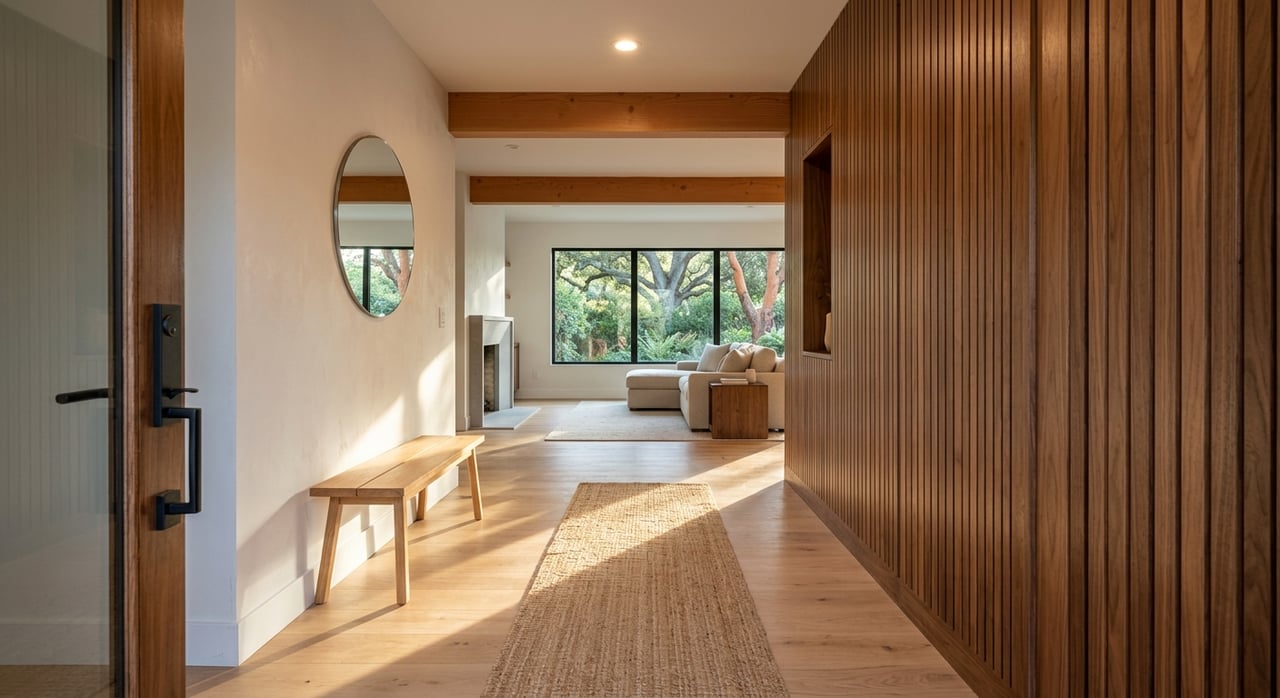
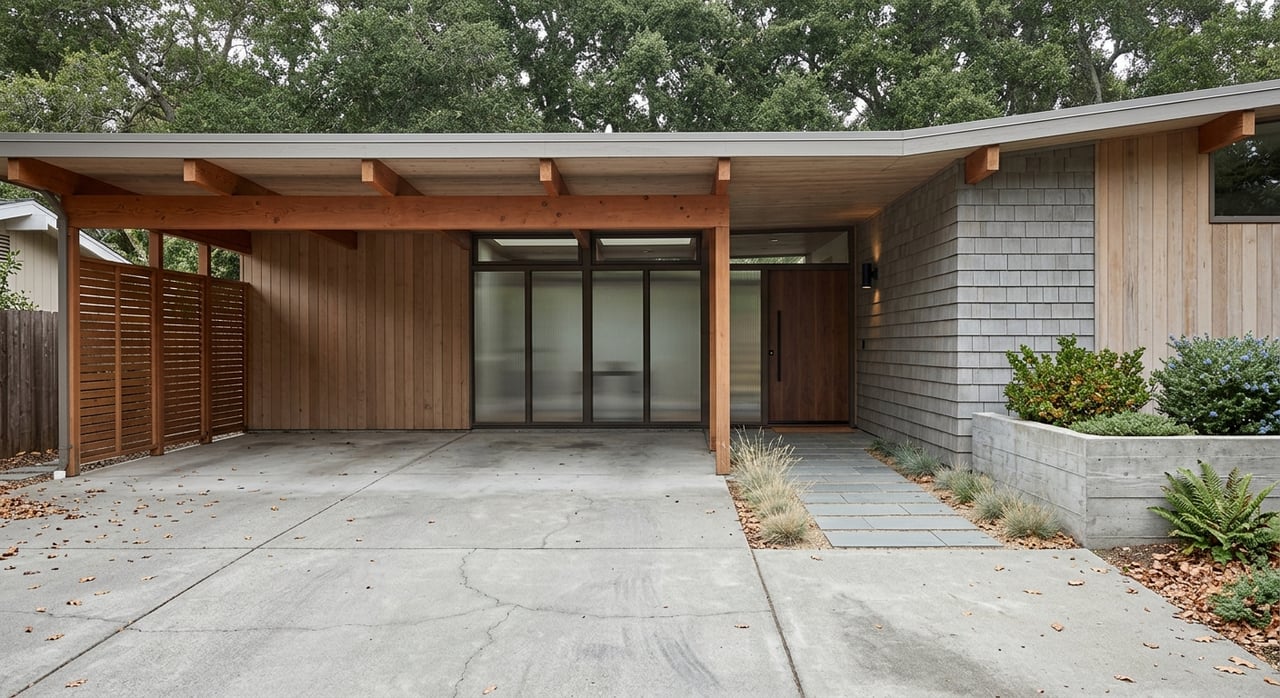
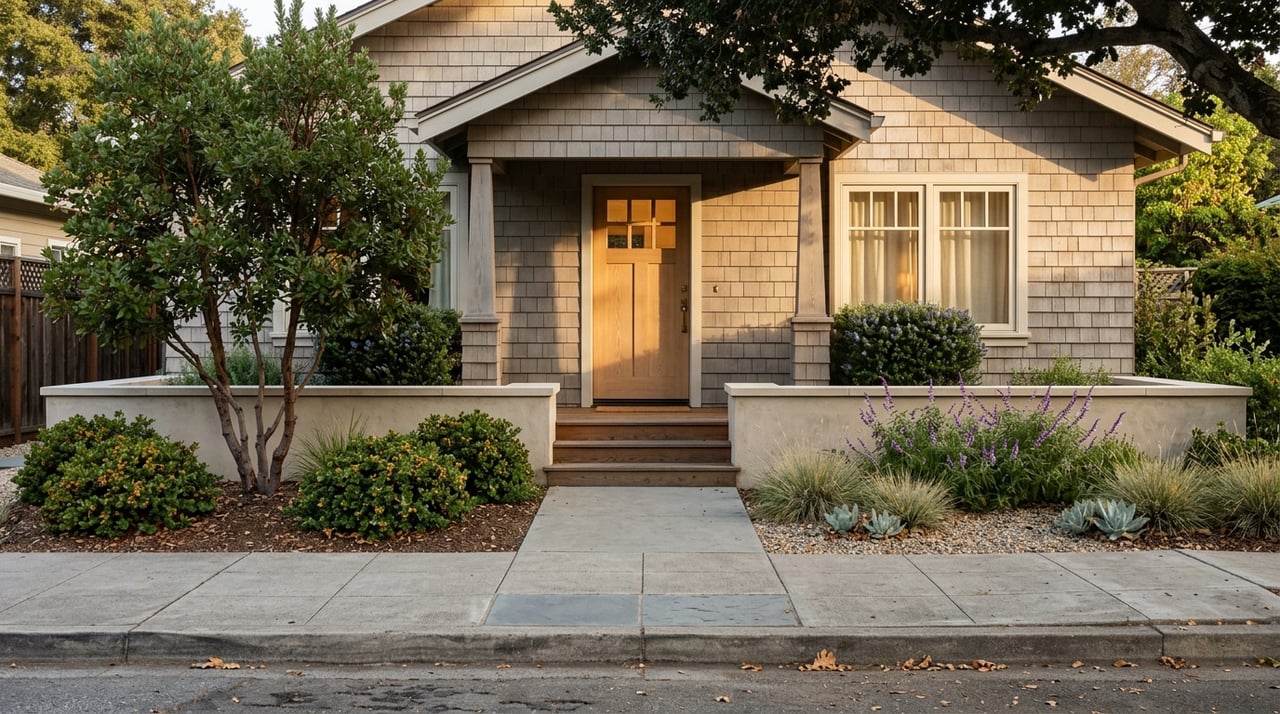
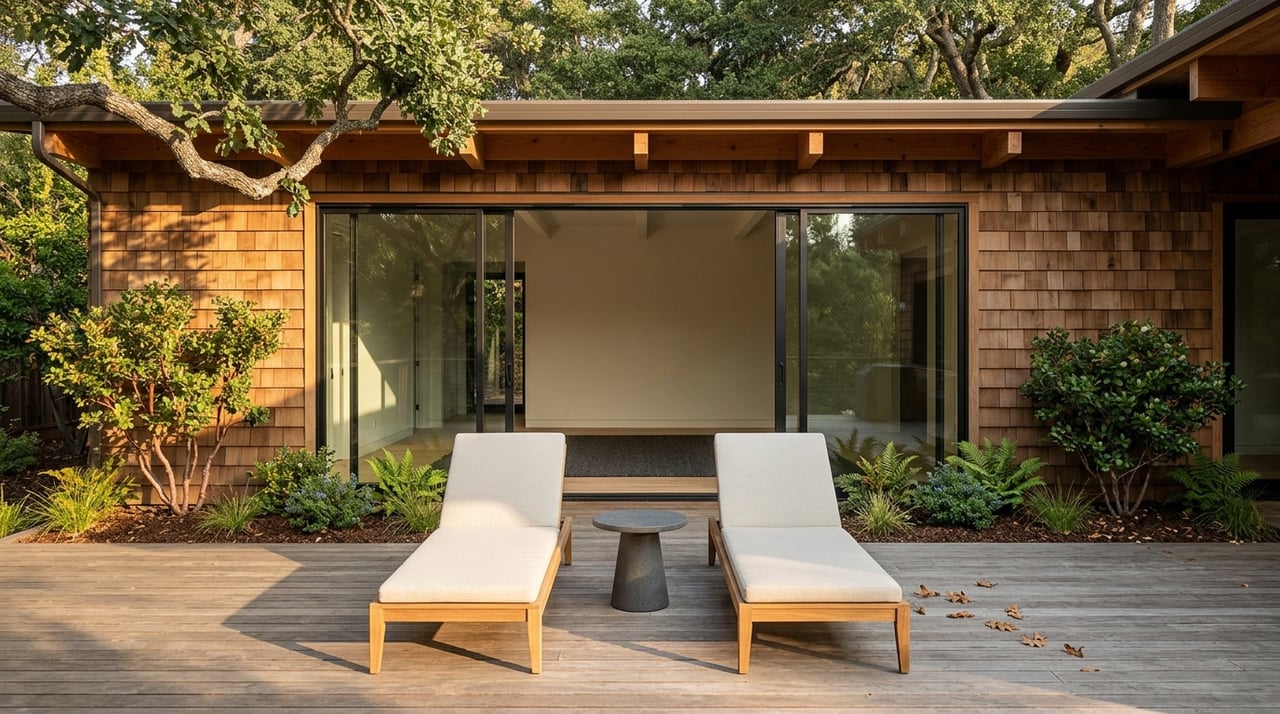
This is where a careful, design-aware approach can help. A home can look great online and still function poorly for your actual routine, especially if the street, slope, floor plan, or parking setup does not support how you live.
A Simple Way to Narrow Your Search
If you feel torn between several areas, use this simple filter:
- Choose Downtown, West End, Gerstle Park, or parts of the Canal if your top priorities are walkability, historic character, arts, and access to transit.
- Choose Dominican/Black Canyon, Lincoln/San Rafael Hill, or Montecito if you want privacy, views, and a more tucked-away residential setting, and you are prepared to evaluate slope and access carefully.
- Choose Terra Linda, Northgate, or Peacock Gap if your priorities are parks, shopping convenience, recreation, and a more suburban daily rhythm.
- Focus on Northgate and the Canal if you are especially interested in areas tied to active city planning and infrastructure investment.
Often, the best next step is to tour a few very different pockets on the same day. That gives you a faster read on what feels right than comparing listings on a screen.
If you want help sorting through San Rafael’s neighborhoods with a practical eye for layout, setting, and day-to-day livability, Paul O’Neil can help you evaluate the tradeoffs and find a home that truly fits how you live.
FAQs
What is the best San Rafael neighborhood for walkability?
- If walkability is your priority, downtown, West End, Gerstle Park, and parts of the Canal are strong places to start because they offer the best mix of central access, services, and transit connections.
Which San Rafael neighborhoods have a quieter residential feel?
- Dominican/Black Canyon, Lincoln/San Rafael Hill, and Montecito generally offer a more tucked-away hillside setting with more privacy and a quieter feel than the city core.
What should buyers know about San Rafael hillside neighborhoods?
- In San Rafael hillside areas, pay close attention to narrow or winding streets, parking patterns, slope, blind turns, and emergency access because those factors can affect daily convenience as much as the home itself.
Which San Rafael neighborhoods are best for parks and recreation?
- Terra Linda and Peacock Gap stand out for park access and recreation amenities, while Peacock Gap also benefits from shoreline access at Jean and John Starkweather Shoreline Park.
Are there San Rafael neighborhoods seeing new development?
- Yes. Downtown, Northgate, and the Canal are all tied to city planning or infrastructure projects, with Northgate and the Canal standing out for active reinvestment and future change.
Is downtown San Rafael the best area for transit access?
- Yes. Downtown San Rafael has the city’s strongest transit network, with the San Rafael Transit Center and SMART station serving multiple regional and local connections.